October 9, 2013
by Star Building Systems
Part One

Guest Blogger:
Coy Fuller, Co-Founder of Fuller Miller Construction
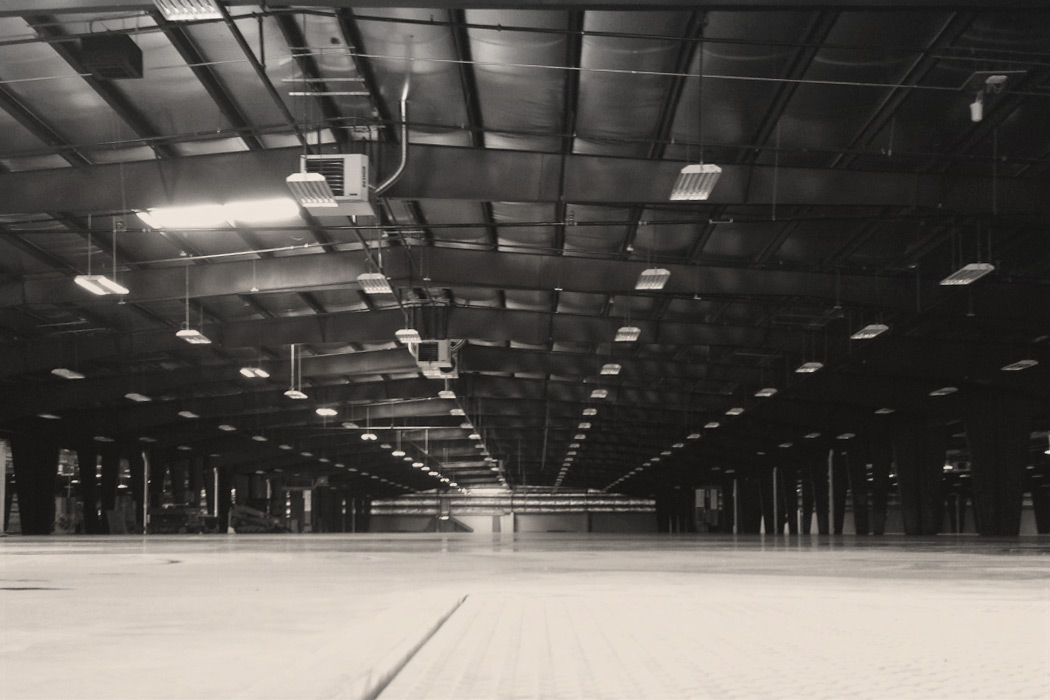
Large rooms free of interrupted space were typically an attribute only associated with warehouses and manufacturing facilities. They needed the room for storage, for operations, and for forklift maneuverability.
Now, however, the freedom of design and usage that come from these spaces has become mainstream. That wide, clear space free of those space-invading columns is great for auditoriums, schools, even retail and office space. And, with more uses comes greater flexibility in overall square footage.
That means metal buildings are reaching new heights and new widths, growing from the typical 10,000 to 20,000 square foot range to the immense 100,000 to 300,000 square-foot range. Or even larger.
In fact, in the last few years, Fuller Miller Construction has completed six 100,000-300,000 sq. ft. warehouse/manufacturing facilities using Star Building Systems. These super large metal buildings are perfect for growing businesses, but they also present special considerations that do not factor into smaller size buildings, such as special needs of the floor and roof.
Here are some things to consider:
The sheer volume of floor area makes the placing and finishing of the concrete slab a challenge, and that’s ignoring the need to maintain quality and stay on schedule.
To produce a slab of any size, the area of each pour must be maximized to reduce the number of pours required. While many normal floor pours may be as large as 10,000 to 20,000 square-feet, each floor pour for one of these super large buildings must be 45,000 to 50,000 square-feet. That is more than double the size of a typical large pour.
To make this pour happen, the following items should be addressed:
• Boom pump truck. A concrete pump truck that is large enough to pump the volume of concrete necessary and at the rate required to complete the pour in a continuous and timely operation.
• Laser Screed. A self-propelled, laser controlled, screed machine that begins the finishing process with a flat and level screeded slab of wet concrete.
• Riding Trowel Machines. Riding Trowel Machines with double blades to provide the floating and the troweling of the slab as it takes its initial set and then as it starts to further set. Then the final hard trowel surface can be applied. A couple of extra machines are also necessary in case of breakdowns.
• Adequate Manpower. Today’s methods use a lot of machinery and equipment, but it is still important to have adequate manpower to perform the other tasks necessary to provide the results desired.
Check back next Wednesday for the continuation of this article and find out what special needs factor into your larger buildings’ roof design.
Become part of the powerful Star network. We invest in builders who understand the value of results and provide support that develops strong relationships between you and the entire Star team.
Your building is the cornerstone of the community where people live, work and play. Find a local Star Authorized Builder and let us help you bring your vision to life.